

Weddings & Celebrations
Wedding Limo Chicago
Elegant wedding limo services for your special day — red carpet, complimentary champagne, and a “just married” sign, with the perfect fleet of stretch limos and limo buses for the bridal party and guests. Timing handled, so you can simply enjoy the day.
Start Your Wedding Quote
Tell us about your wedding day and we’ll send your exact price.
Time is local to your pickup location
Pickup time must be in the future.
- Available 24/7
- Red Carpet & Champagne
- Bridal Party & Shuttles
- Licensed & Insured
Luxury Transportation for Your Special Day
Timing is one of the most important parts of planning a wedding, and the transportation has to be flawless. Our wedding limo Chicago service brings the best fleet of wedding limos and a Chicago party bus to your day — elegant rides, professional chauffeurs, and every detail handled, from the red carpet to the ride home. We even take care of last-minute wedding limousine needs in Chicago. Part of our full special occasion limo service.
The Perfect Vehicle for Your Wedding
From an elegant arrival for the couple to limo buses and coaches that move the whole wedding party — choose the vehicle that fits your day.
 Business Classfrom$83
Luxury Sedan
An elegant ride for the couple or parents of the bride and groom — discreet, polished, and on time.
Book Now Group Travelfrom$185
Stretch Limo
The classic 8-passenger wedding limo, with red carpet, champagne, and a grand entrance.
Book Now Group Travelfrom$425
Stretch SUV Limousine
Escalade, Navigator, or Expedition stretch limos for a stylish bridal-party arrival.
Get a Quote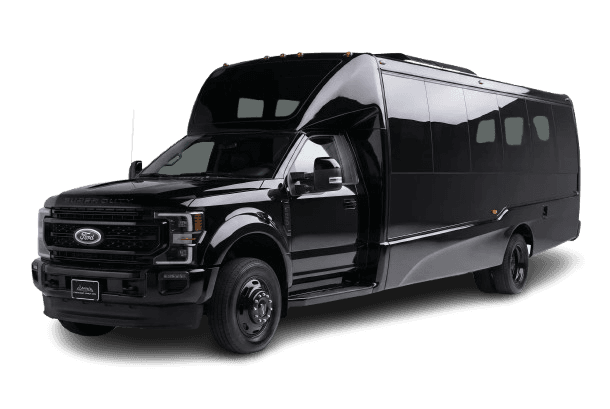 Group Travelfrom$625
Limo Bus
A party atmosphere for the wedding party — and a perfect shuttle between ceremony, reception, and hotels.
Get a Quote Group Travelfrom$895
Motor Coach
Move a large guest list in one trip — generous seating and luggage room for destination weddings.
Get a Quote Complete Fleet
Explore Our Complete Fleet
Explore our complete fleet of luxury sedans, SUVs, Sprinter vans, mini buses, stretch vehicles, and motor coaches with detailed seating and luggage capacities.
View Complete Fleet* “From” prices are starting fares and can vary with mileage, stops, and selected features. Gratuity and tolls are not included; your final price is confirmed at the time of the booking.
Why Book With Us
Every Detail of the Day, Handled
Elegant vehicles, flawless timing, and the finishing touches that make the arrival unforgettable.
Stress-Free Timing
Timing is everything on a wedding day. We plan around the ceremony, photos, and reception so every arrival is right on schedule.
Bridal Party & Guests
Transport the couple, the full bridal party, and shuttle guests between venues and hotels — no one waiting, no one driving.
Red Carpet & Champagne
Complimentary champagne or beer (21+), a red carpet, a “just married” sign, and limousine decoration on request.
Elegant Fleet
Immaculate stretch limos, limo buses, stretch SUVs, and a stretch Hummer — the right vehicle for an unforgettable entrance.
Wedding Packages
Wedding Limo & Party Bus Packages
Every package includes red carpet, complimentary champagne or beer (21+), a “just married” sign, decoration on request, and unlimited stops. Request your exact price for your date and timeline.
Lincoln Limousine
· Up to 8 passengers · 3-hour minimumComplimentary water & soda with iceComplimentary champagne or beer (21+)Unlimited stops“Just married” sign on requestRed carpet & limo decoration
Stretch SUV Limousine
Most Popular· Up to 20 passengers · per hourFord Expedition, Escalade or NavigatorComplimentary champagne or beer (21+)Unlimited stops“Just married” sign on requestRed carpet & limo decoration
Limo Bus
· Up to 28 passengers · per hourParty atmosphere for the wedding partyComplimentary champagne or beer (21+)Unlimited stopsIdeal for guest shuttlesRed carpet & limo decoration
Stretch Hummer
· 18–24 passengers · per hourA bold, head-turning arrivalComplimentary champagne or beer (21+)Unlimited stops“Just married” sign on requestRed carpet & limo decoration
Starting rates shown; final pricing depends on your date, hours, and timeline. Request a quote and we’ll map the day — bridal-party transport and guest shuttles included.
Every Part of the Celebration
More Than the Ceremony
The same elegant fleet covers every event around your wedding day.
- Ceremonies
- Receptions
- Bridal Party
- Guest Shuttles
- Engagements
- Anniversaries
- Bachelor & Bachelorette
- Rehearsal Dinners
- Vow Renewals
Where We Drive
Wedding Limo Service Across Chicagoland
Elegant wedding transportation across downtown Chicago and the surrounding suburbs — ceremony, reception, hotels, and every venue in between.
- Downtown Chicago
- The Loop
- Schaumburg
- Hoffman Estates
- Naperville
- Oak Brook
- Rosemont
- Evanston
- O’Hare Airport
- The Suburbs
Wedding Limo Chicago — Elegant from Start to Finish
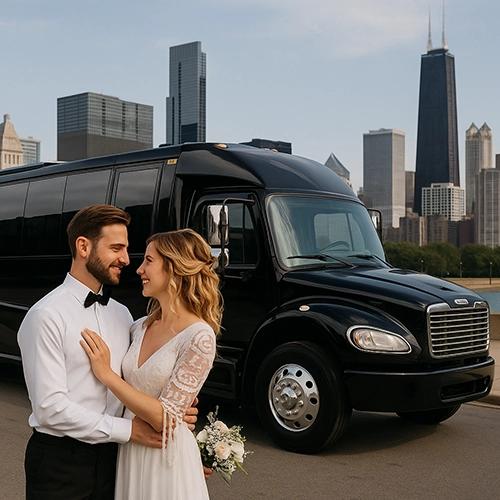
Every couple knows that timing is everything when it comes to planning a wedding — and the transportation has to be just as flawless as the rest of the day. Chicago Limos Inn brings the best fleet of wedding limos and party buses to your celebration, with professional chauffeurs who treat your schedule as carefully as you do.
We cover every ride of the day — bridal party transportation, ceremony-to-reception transportation, wedding guest transportation, and the bride and groom send-off. Our classic 8-passenger Lincoln limousine is the elegant choice for the couple, while stretch SUV limousines — Ford Expedition, Cadillac Escalade, and Lincoln Navigator — the limo bus, and the stretch Hummer carry the full bridal party and shuttle guests between the ceremony, the reception, and the hotels.
Every package includes complimentary water and soda with ice, a bottle of champagne or beer for guests over 21, and unlimited stops. On request we add a “just married” sign, a red carpet, and limousine decoration — the finishing touches for a grand entrance and an unforgettable exit.
We’re open 24 hours a day and even handle last-minute wedding limousine bookings in Chicago. Request your quote online or call our team, and we’ll map your wedding-day timeline so every ride runs perfectly.
Why Chicago Couples Book Their Wedding with Us
Your wedding day runs on a tight schedule, and the transportation can’t be the thing that slips. For more than 20 years, Chicago couples have trusted us to get the bridal party and guests where they need to be, exactly on time — with elegant vehicles, a red-carpet arrival, and a price agreed before the day.
Champagne on ice, decoration on request, and a chauffeur who treats your day as the occasion it is — so all you have to do is enjoy it.
What Every Wedding Package Includes
- ✓Timing planned to the minute. We map your wedding-day timeline so the ceremony, photos, and reception all run on schedule.
- ✓Red carpet & champagne service. A red carpet, complimentary champagne or beer (21+), a “just married” sign, and decoration on request.
- ✓Bridal party & guest shuttles. Limos, limo buses, and coaches to move the couple, the party, and your guests between every venue.
- ✓Elegant, spotless vehicles. Immaculate stretch limos, stretch SUVs, and limo buses — some of the finest wedding cars in Chicago.
- ✓Professional chauffeurs. Courteous, background-checked drivers who know the day matters and treat it that way.
- ✓24/7 & last-minute welcome. Open every hour of every day, with last-minute Chicago wedding limousine bookings welcome.
FAQ
Wedding Limo Questions
What’s included in a Chicago wedding limo package?
Every wedding package includes complimentary water and soda with ice, a complimentary bottle of champagne or beer (for guests over 21), and unlimited stops. On request we also provide a “just married” sign, a red carpet, and limousine decoration — the finishing touches that make the arrival feel like part of the celebration.
Can you transport the bridal party and shuttle our guests?
Yes. We handle the couple’s ride, the full bridal party, and guest shuttles between the ceremony, the reception, and the hotels. With stretch limos, limo buses, and motorcoaches in the fleet, we can move everyone on schedule so no one is left waiting or driving on your wedding day.
How early should we book our wedding limo?
Wedding dates — especially summer and fall Saturdays — book up well in advance, so the earlier you reserve, the better the vehicle selection. That said, timing is everything on a wedding day, and we also handle last-minute wedding limousine bookings in Chicago when we have availability. Reserve online or call 1-312-265-6322 to lock in your date.
Do you decorate the limo and provide a “just married” sign?
We do — on request we add a “just married” sign, roll out a red carpet, and decorate the limousine for the couple. Just let us know your colors and preferences when you book and we’ll have it ready for the grand exit.
Is there a minimum booking time for a wedding limo?
Our Lincoln stretch limousine starts at a three-hour minimum, which covers most ceremony-and-reception timelines. The larger vehicles — stretch SUV limousines, limo buses, and the stretch Hummer — are booked by the hour, so you reserve exactly the hours your day needs. We’ll help you map the timing when you request your quote.
What vehicles do you have for weddings?
Our wedding fleet includes the classic 8-passenger Lincoln stretch limousine, stretch SUV limousines (Ford Expedition, Cadillac Escalade, and Lincoln Navigator) seating up to 20, a limo bus for up to 28, and a stretch Hummer for 18–24. Whether you want an elegant arrival for two or party transport for the whole wedding party, there’s a vehicle to match.
Explore Related Services
Beyond weddings, Chicago Limos Inn provides chauffeured limousine service for proms, groups, and celebrations across Chicago.
Elegant · On Time · 24/7
Make Your Wedding Day Effortless.
Request your wedding limo quote and we’ll map the day — a red-carpet arrival, champagne on ice, and elegant transport for the couple, the party, and your guests.
Red carpet · Champagne (21+) · Licensed & insured
Before you book
Everything you need to ride with confidence
Still deciding? Here’s how booking works, what it costs, and what other riders say.